

Lithuania, a country in the Baltic region of Northern Europe, has been making headlines in recent years due to its progressive stance on cannabis. While the country still maintains strict laws regarding the use and distribution of cannabis, there has been a noticeable shift towards a more liberal approach, particularly in the realm of medical cannabis. This has led to the emergence of a cannabis market, including weed stores, albeit operating in a somewhat grey area.
The Legal Framework
In Lithuania, cannabis is classified as a narcotic substance. However, in 2013, the country legalized the use of medical cannabis, allowing for the prescription of cannabinoid-based medicines for certain medical conditions. The law permits the cultivation of cannabis for medical purposes, provided that the cultivator has obtained a license from the relevant authorities.
Despite the legalization of medical cannabis, recreational use remains illegal. The possession, sale, or distribution of cannabis for non-medical purposes can result in fines or imprisonment. This dichotomy creates a complex environment for weed stores operating in Lithuania.
Weed Stores in Lithuania
Weed stores, or cannabis shops, have begun to appear in Lithuania, particularly in larger cities like Vilnius and Kaunas. These establishments often operate under the guise of selling “novelty” or “herbal” products, which can include CBD (cannabidiol) products, cannabis seeds, or other related merchandise; While they may not explicitly sell cannabis, they often provide a front for the purchase of cannabis or cannabis-related products.
The rise of online platforms has also facilitated the sale of cannabis products in Lithuania. Some online stores operate from abroad, taking advantage of the country’s relatively lenient laws regarding the online purchase of CBD products. However, buyers should be cautious, as the quality and legality of these products can vary significantly.
Challenges and Controversies
The operation of weed stores in Lithuania is not without controversy. Law enforcement agencies have been cracking down on establishments suspected of selling cannabis illegally. In recent years, there have been several high-profile cases of raids on cannabis shops and arrests of individuals involved in the cannabis trade.
Moreover, there is a concern about the lack of regulation in the cannabis market. The sale of CBD products, for example, is largely unregulated, leading to concerns about product safety and quality.
The cannabis market in Lithuania, including weed stores, operates in a complex legal environment. While there is a growing demand for cannabis products, particularly for medical purposes, the recreational use of cannabis remains illegal. As the country continues to navigate its stance on cannabis, it is likely that the regulatory framework will evolve. For now, individuals looking to purchase cannabis products must do so with caution, ensuring they are complying with Lithuanian law.
- Cannabis is illegal for recreational use in Lithuania.
- Medical cannabis is legal with a prescription.
- Weed stores operate in a grey area, often selling “novelty” products.
- The quality and legality of online cannabis products can vary.
Cannabis stores are also known as smart shops or coffeeshops in some other EU countries.
Future Prospects for Cannabis Legalization
The debate around cannabis legalization is gaining momentum in Lithuania. Several political parties and advocacy groups are pushing for a more liberal approach to cannabis, citing the potential economic benefits and the need for a more rational drug policy.
In recent years, Lithuania has taken steps towards a more progressive stance on cannabis. In 2018, the country introduced a law allowing for the cultivation of cannabis for medical and industrial purposes. This move was seen as a significant step towards developing a domestic cannabis industry.
Potential Economic Benefits
Legalizing cannabis could bring significant economic benefits to Lithuania. A regulated cannabis market could create new job opportunities, stimulate economic growth, and generate tax revenue for the government.
According to a report by the Lithuanian Free Market Institute, the legalization of cannabis could create up to 10,000 new jobs in the country and generate around €200 million in tax revenue annually.
Challenges Ahead
Despite the potential benefits, there are still significant challenges to overcome before cannabis can be fully legalized in Lithuania. One of the main concerns is the potential impact on public health, particularly among young people.
The Lithuanian government has expressed concerns about the potential for increased cannabis use among minors and the need for effective regulations to prevent this.
Public Opinion and Advocacy
Public opinion in Lithuania is increasingly in favor of cannabis legalization. A recent survey found that over 50% of respondents supported the legalization of cannabis for recreational use.
Advocacy groups, such as the Lithuanian Cannabis Association, are also playing a crucial role in pushing for change. These groups are working to raise awareness about the benefits of cannabis and to lobby the government for a more liberal approach.
The future of cannabis in Lithuania is uncertain, but there are signs that the country is moving towards a more progressive stance. As the debate continues, it is likely that we will see further developments in the country’s cannabis laws and regulations.
- Lithuania has introduced laws allowing for the cultivation of cannabis for medical and industrial purposes.
- Legalizing cannabis could bring significant economic benefits to the country.
- There are still significant challenges to overcome before cannabis can be fully legalized.
- Public opinion is increasingly in favor of cannabis legalization.
For now, the cannabis industry in Lithuania remains in a state of flux, with many uncertainties surrounding its future development.
Regulatory Framework for Cannabis Businesses
As Lithuania considers further legalization of cannabis, establishing a clear regulatory framework for cannabis businesses will be crucial. This framework should address licensing, taxation, and quality control to ensure a safe and compliant industry.
A well-regulated cannabis market can help to reduce the black market and ensure that cannabis products are sold to adults only. It can also provide a source of revenue for the government through taxation.
Licensing and Taxation
The licensing process for cannabis businesses should be transparent and fair, with clear criteria for applicants. This could include background checks, financial checks, and a requirement to demonstrate a clear understanding of the regulations.
Taxation is another key aspect of the regulatory framework. Cannabis businesses should be subject to a tax regime that is fair and competitive with other countries.
Quality Control and Safety
Quality control and safety are critical components of a well-regulated cannabis market. This includes ensuring that cannabis products are labeled accurately, with clear information about potency and ingredients.
Cannabis businesses should also be required to implement robust quality control measures, including testing for contaminants and pesticides.
Public Health and Education
As Lithuania moves towards a more liberal cannabis policy, it is essential to prioritize public health and education. This includes providing clear information about the risks and benefits of cannabis use.
Public education campaigns can help to reduce the stigma associated with cannabis use and provide people with the information they need to make informed decisions.
Prevention and Treatment
Prevention and treatment programs are also crucial for addressing cannabis use disorder and other related health issues.
These programs should be evidence-based and accessible to those who need them.
Research and Monitoring
Ongoing research and monitoring are necessary to understand the impact of cannabis legalization on public health and safety.
This includes tracking cannabis use rates, monitoring cannabis-related hospitalizations, and conducting studies on the effects of cannabis use.
By prioritizing public health and education, Lithuania can ensure that its cannabis policy is effective and responsible.


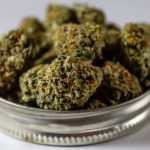
The article provides a comprehensive overview of the current state of cannabis laws in Lithuania, highlighting the complexities and nuances of the country
It