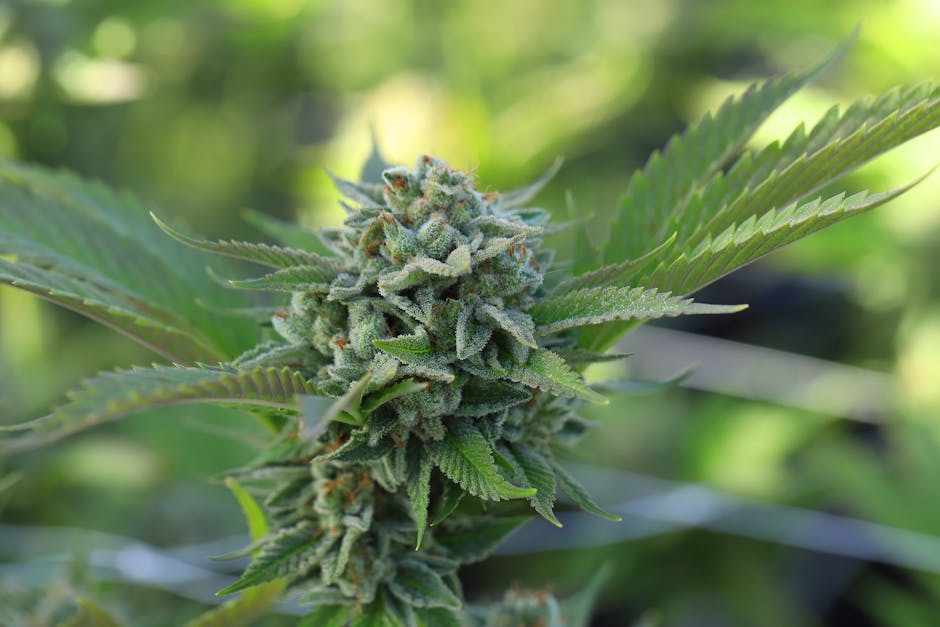
Duisburg‚ a city in North Rhine-Westphalia‚ Germany‚ has seen a significant presence of THC weed in its market․ THC‚ or Tetrahydrocannabinol‚ is the psychoactive compound found in cannabis․ The availability and use of THC weed have been subjects of debate and legal scrutiny worldwide‚ including in Germany․
Legal Status of THC Weed in Germany
In Germany‚ the legal status of cannabis and THC weed is complex․ While cannabis is listed as a controlled substance under the Narcotics Act (BtMG)‚ there are exceptions for medical use․ Patients with certain medical conditions can access cannabis-based treatments with a prescription․ However‚ recreational use is not permitted․
THC Weed Market in Duisburg
Despite legal restrictions‚ a market for THC weed exists in Duisburg․ The city‚ being a part of the Ruhr area‚ has a diverse population and a significant nightlife‚ which can contribute to the demand for such substances․ The supply often comes through illegal channels‚ making it challenging for authorities to control․
- Distribution: Distribution networks are often hidden and can involve organized crime groups․
- Consumption: The consumption of THC weed is prevalent among various age groups‚ though it’s more common among younger populations․
Efforts to Control THC Weed
Authorities in Duisburg‚ along with state and federal agencies‚ are working to control the spread of THC weed․ Strategies include:
- Law Enforcement: Conducting raids and operations to disrupt supply chains․
- Prevention: Implementing programs to educate the public about the risks associated with cannabis use․
- Medical Cannabis: Promoting the use of medical cannabis for those who need it‚ under medical supervision․
Challenges Ahead
The control of THC weed in Duisburg faces several challenges‚ including the evolving nature of cannabis laws and the persistent demand for the substance․ Balancing enforcement with education and harm reduction strategies is key to addressing the issue effectively․
As the legal and social landscape continues to evolve‚ it remains to be seen how the situation with THC weed in Duisburg will develop․ For now‚ the city is part of a broader discussion on cannabis‚ its risks‚ and its potential benefits․
Public Perception and Debate
The presence of THC weed in Duisburg has sparked a heated debate among residents‚ policymakers‚ and law enforcement․ While some advocate for stricter controls and enforcement‚ others push for a more liberal approach‚ citing the potential economic benefits of a regulated cannabis market and the need for harm reduction․
Arguments for Regulation
- Economic Benefits: A regulated market could generate significant tax revenue and create jobs․
- Public Health: Regulation could lead to better quality control‚ reducing the risk of contaminated or adulterated products․
- Reducing Crime: By taking the cannabis trade out of the hands of criminal organizations‚ regulation could help reduce drug-related crime․
Concerns and Challenges
Despite the potential benefits‚ there are concerns about the impact of cannabis legalization on public health‚ particularly among young people․ The German government has emphasized the need for caution and for more research into the effects of cannabis use․
Future Directions
As the debate continues‚ Duisburg remains a focal point for discussions on cannabis policy in Germany․ The city may serve as a model for other regions‚ potentially influencing national policy․
Potential for Change
With growing public support for cannabis legalization and the ongoing review of cannabis laws at the federal level‚ there is potential for significant changes in the legal status of THC weed in Duisburg and across Germany․
As the situation evolves‚ residents‚ businesses‚ and visitors will be watching closely to see how the city and the country navigate the complex issues surrounding cannabis․
Impact on Local Communities
The presence of THC weed in Duisburg has significant social implications for local communities․ Neighborhoods with high concentrations of cannabis sales often experience increased crime rates‚ noise pollution‚ and public disorder․ Residents in these areas may feel unsafe or disturbed by the visible drug trade․
Community Initiatives
In response to these challenges‚ community initiatives have emerged to address the issues associated with THC weed․ Local residents‚ businesses‚ and law enforcement are working together to improve safety and reduce the visibility of the drug trade․
- Neighborhood Watch Programs: These programs aim to increase vigilance and encourage residents to report suspicious activity․
- Community Events: Events such as clean-up initiatives and community fairs help to foster a sense of community and improve the local environment․
Health Considerations
The consumption of THC weed can have various health implications‚ ranging from short-term effects like altered perception and mood swings to long-term issues such as dependency and mental health problems․
Public Health Response
Public health services in Duisburg are working to address the health concerns related to THC weed․ This includes providing education on the risks of cannabis use‚ as well as support for those struggling with dependency․
- Education and Prevention: Schools and community centers are used to educate young people about the risks associated with cannabis use․
- Treatment Services: Specialized treatment services are available for individuals struggling with cannabis dependency․
Looking to the Future
As the legal and social landscape surrounding THC weed continues to evolve‚ Duisburg is likely to remain at the forefront of discussions on cannabis policy․ The city’s experiences will provide valuable insights into the effects of different approaches to regulating cannabis․
Potential for Reform
There is a growing movement towards reforming cannabis laws in Germany‚ with some advocating for a more liberal approach․ If reforms are implemented‚ Duisburg could see significant changes in how THC weed is regulated and controlled․